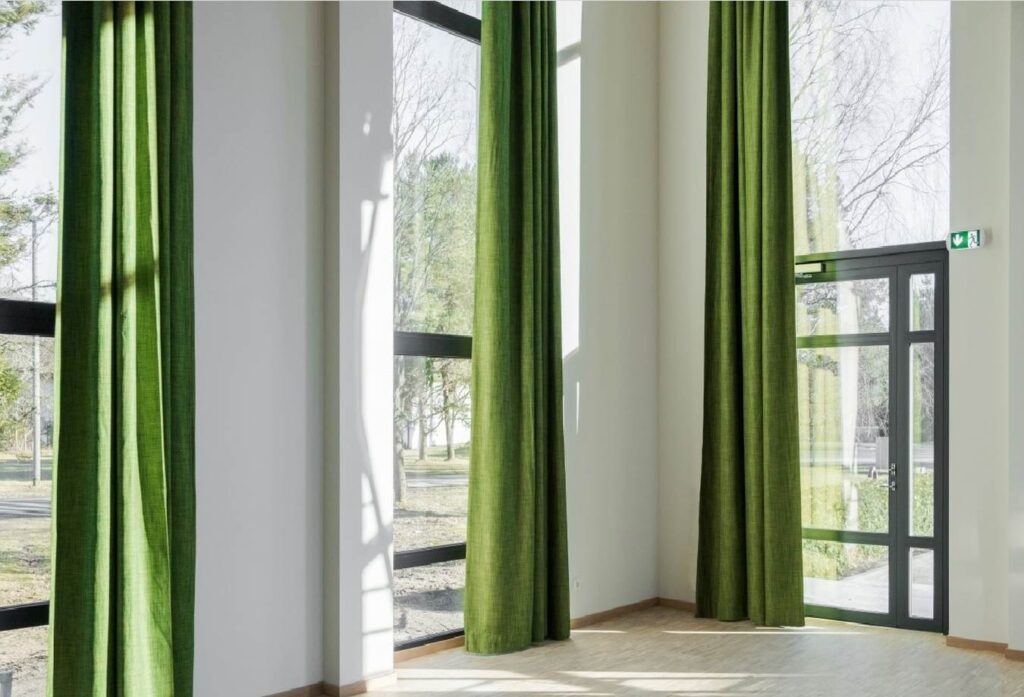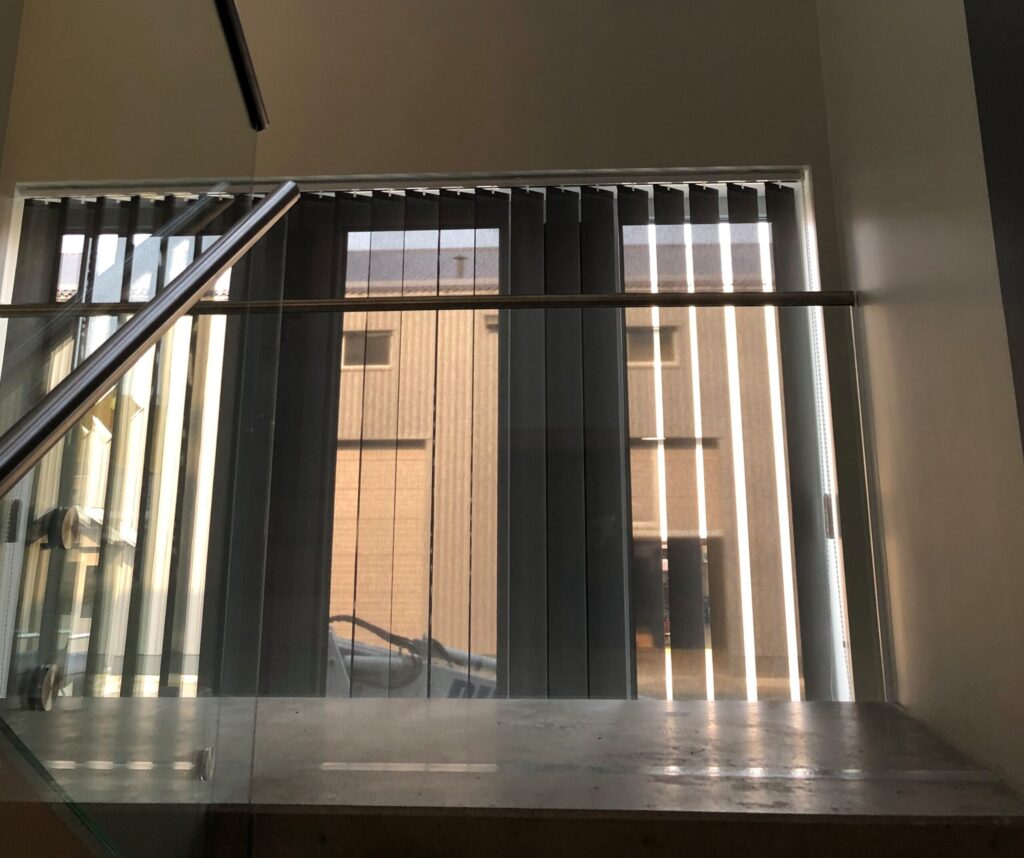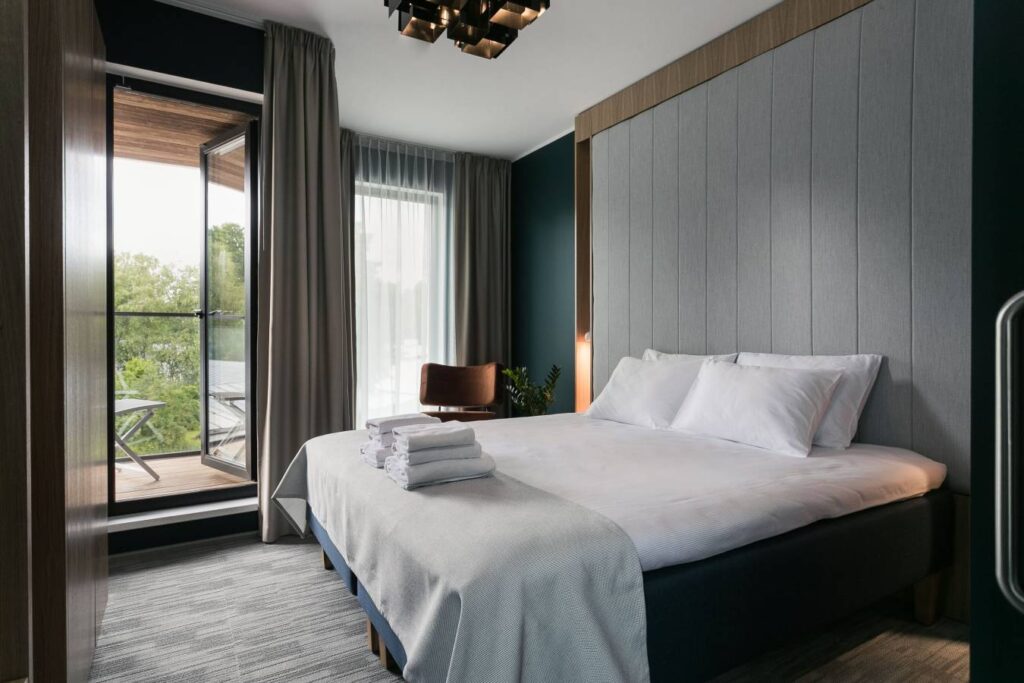
Recent construction trends favour open spaces and often use large windows to achieve the desired effect. On the positive side, this means we can make the most of daylight, which is already in short supply during the winter months.
On the other hand, large windows let in too much light during the summer months, and with it, uncomfortable summer heat. Window coverings (fabric curtains, roller blinds, pleated blinds) made from the right materials can help regulate light and heat by making use of special fabrics with blackout or dimout properties.
The blackout properties or optical values of curtain fabrics are defined in accordance with European Standard EN 14051, which classifies fabrics into three groups:
- non-transparent fabrics,
- reflective fabrics,
- light-absorbing fabrics.
Below, we outline the characteristics and differences of all three groups.
For blackout fabrics, tests are carried out to determine the total percentage of light rays passing through the fabric with wavelengths ranging from 380 to 780 nanometres. Based on this, the fabric is labelled either as blackout or dimout .
Blackout curtain fabric blocks out light, making the room completely dark. This property is achieved primarily thanks to a white foam coating on the reverse side of the fabric, which completely blocks out light.
At the same time, every homeowner would like their curtains to look beautiful from every angle. As technology improves, we can finally start to make this dream a reality. There are already blackout fabrics available on the market that are similar in weave to dimout fabrics but are much denser and stronger, or that sandwich the blackout layer between two layers of fabric, resulting in curtains that look the same from both sides.
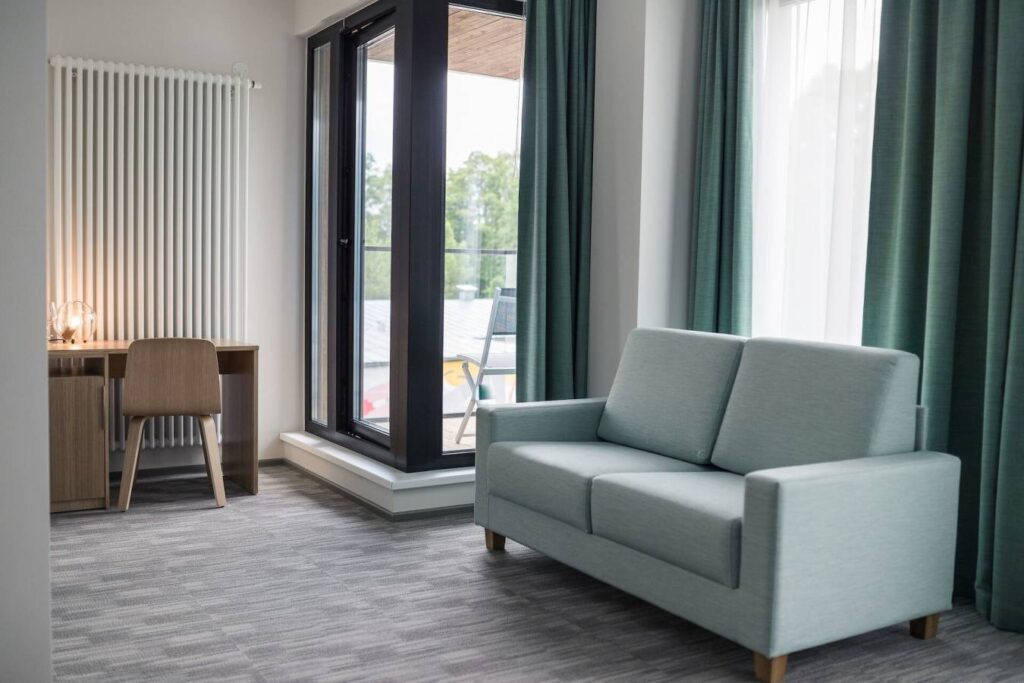
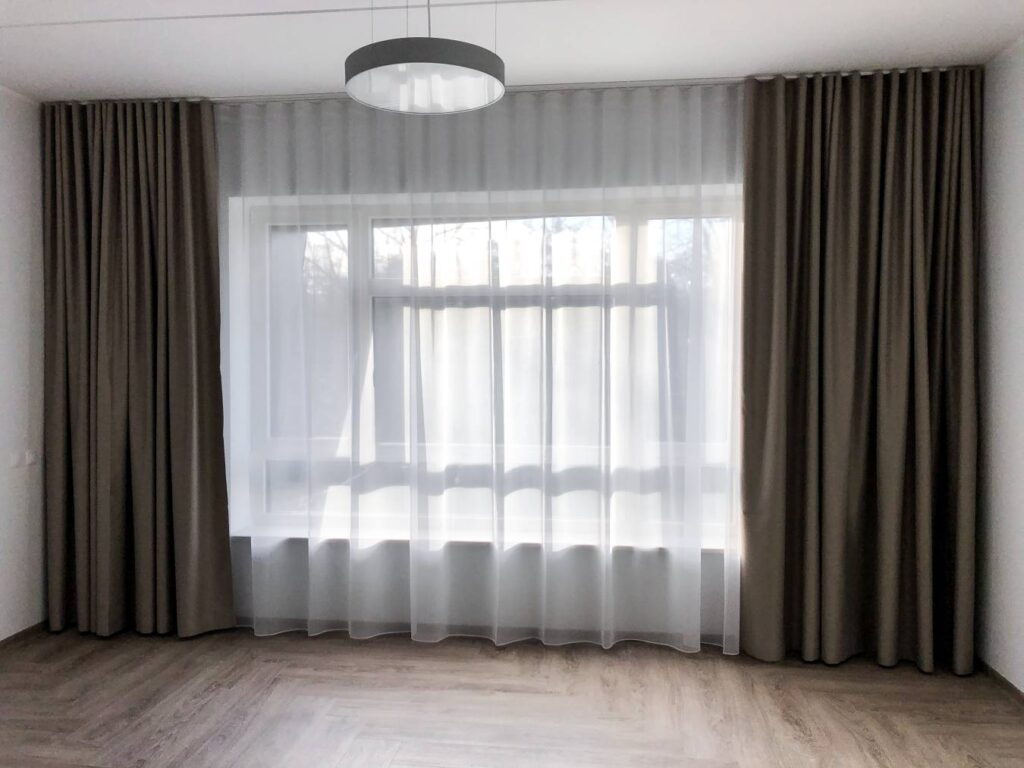
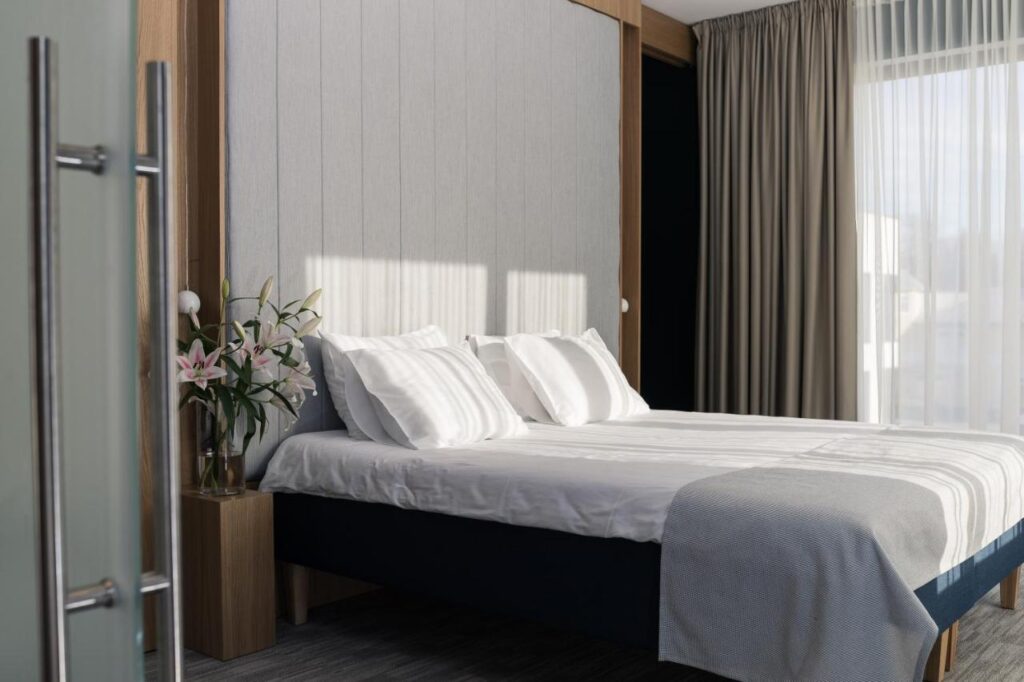
Even though the term dimout might suggest that the fabric only dims the light, dimout fabrics actually block between 92% and 99% of light, depending on the fabric’s density.
Dimout fabric is made with a satin weave, using black thread as the weft. Satin weave allows for very tight fabric, and the black weft yarn, which absorbs light, provides added value. As a result, the fabric lets through less light. Due to its weave, dimout fabric is softer and drapes better than blackout fabric.
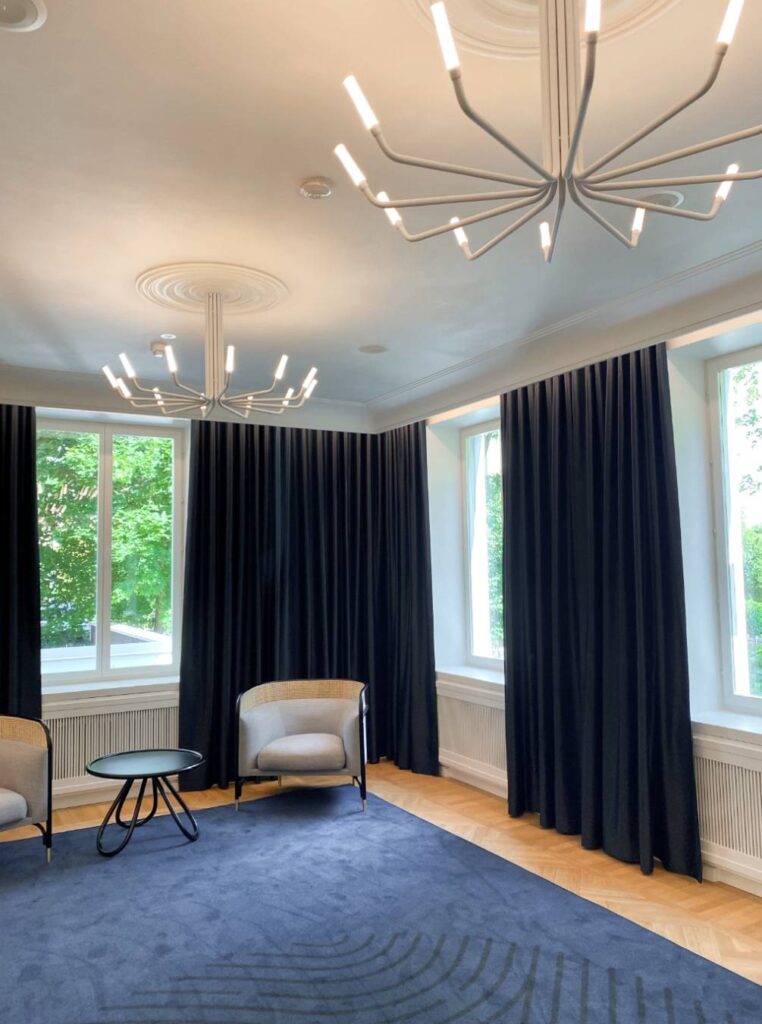
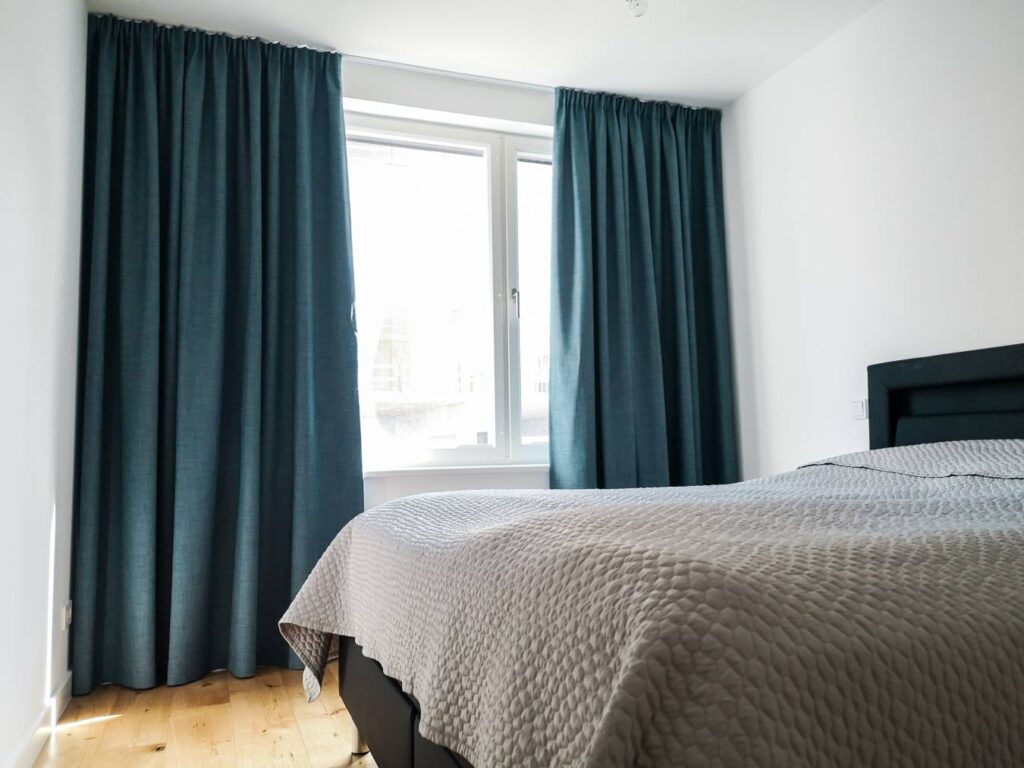
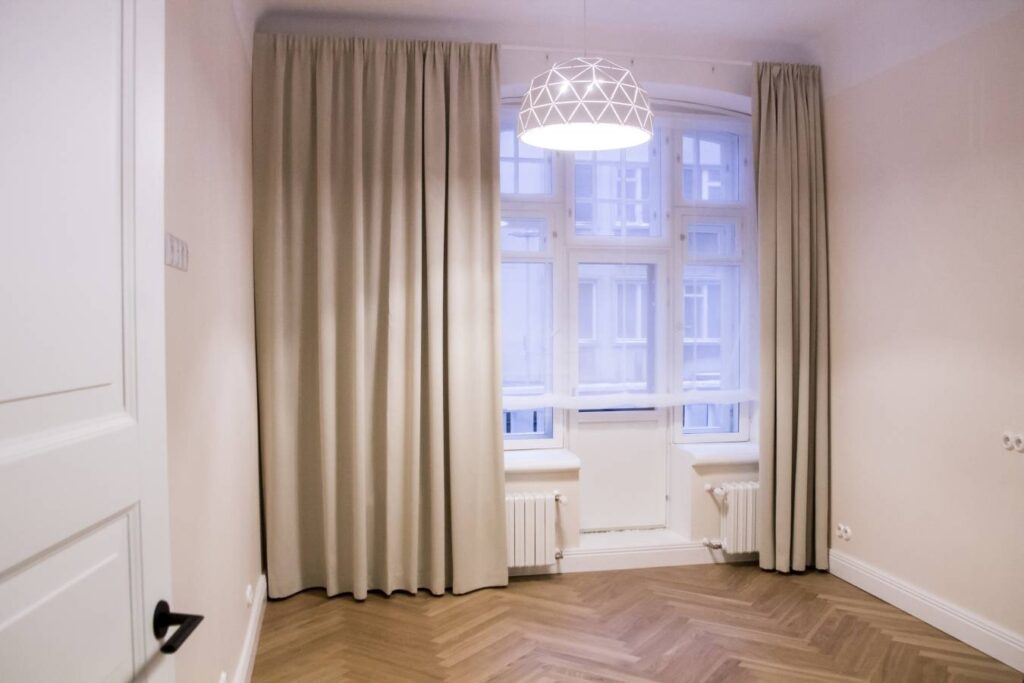
The problem with excessive light in summer is that it’s usually accompanied by heat. To some extent, thick and dense blackout curtain fabrics help maintain the room temperature, but if the intent is to block heat , it’s better to use fabrics with a silver coating, which are suitable for use both as linings and stand-alone curtains.
Since it’s not practical to black out the room for the entire day, chose a silver-backed fabric for your daytime privacy curtains to prevent excess heat. Fabrics made with silver thread can also help alleviate the problem to some extent.
For complete darkness , you need to use the right curtain cord and track in addition to the fabric. Blackout fabric isn’t very effective if it’s hung on a curtain rod or below the track. To make the most of the fabric, use a specific type of curtain cord with a ceiling-mounted track, which helps to minimise light seeping through the top of the curtain.
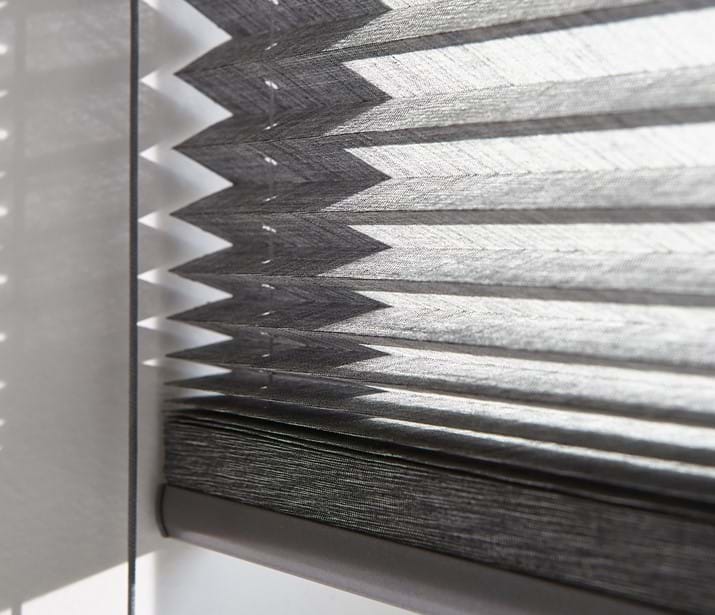
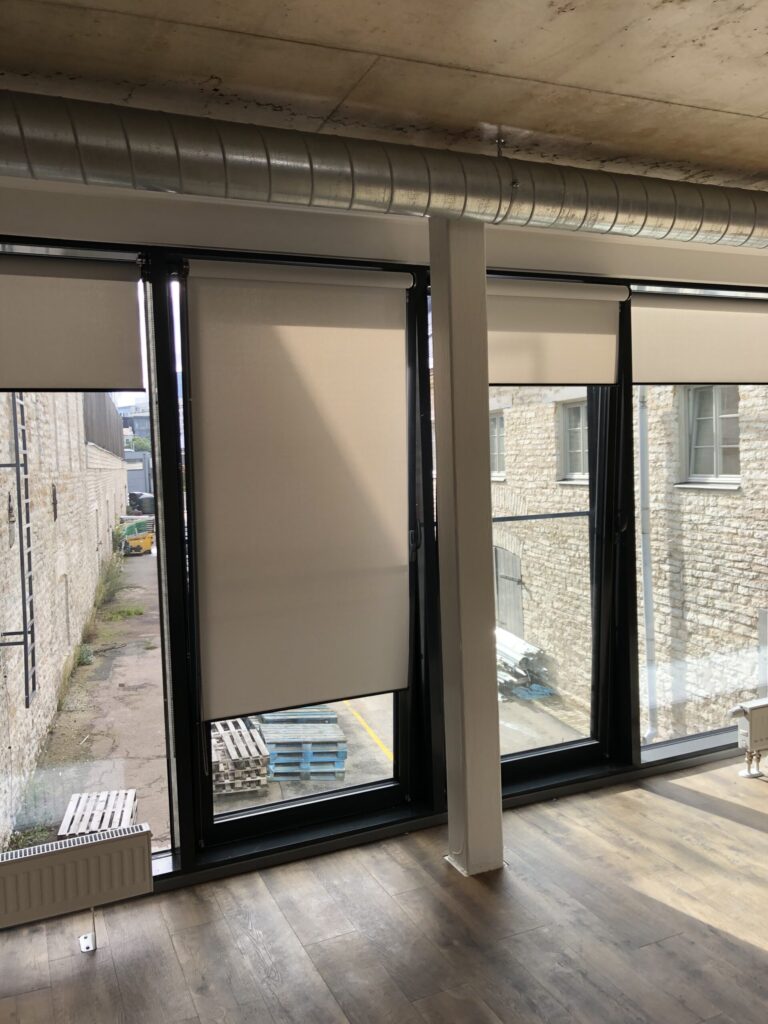
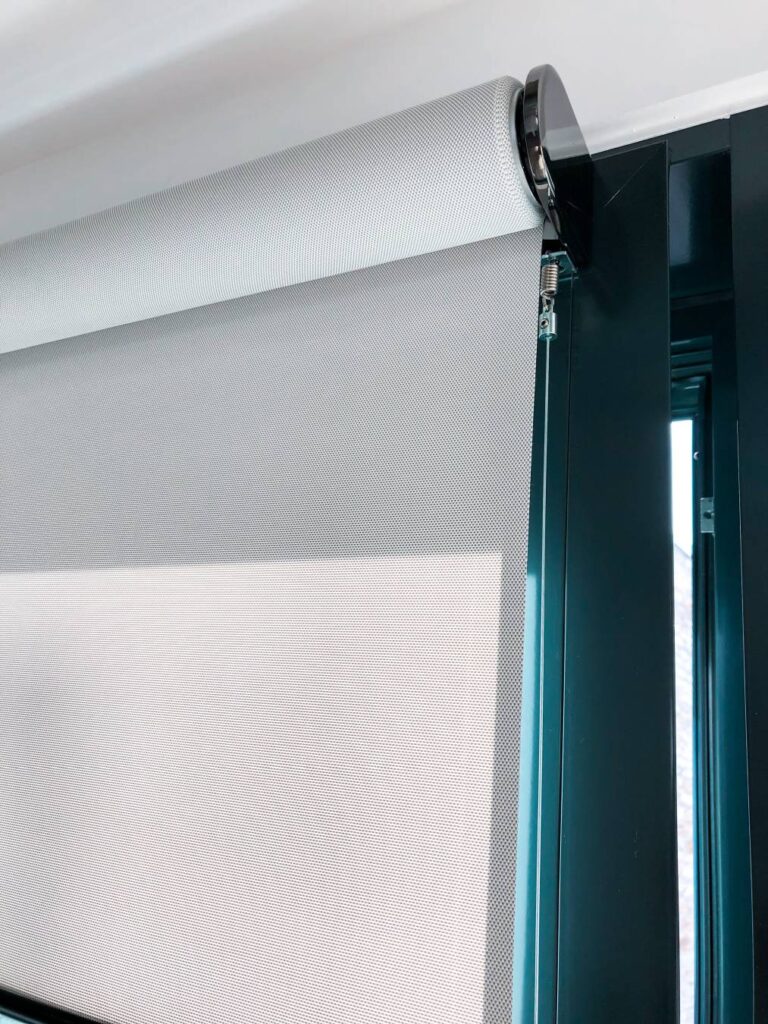
At the same time, many people prefer pleated blinds or roller blinds to fabric curtains, which are available with similar features to those described above. A special type of fabric called sunscreen has been developed for roller blinds to block excessive sunlight. While it isn’t exactly blackout fabric, it still helps control light, blocks UV rays, and optimises the temperature in the room while allowing you to see what’s happening outside. Screen fabric is divided into percentage groups, with the darkest option blocking up to 80% of light.
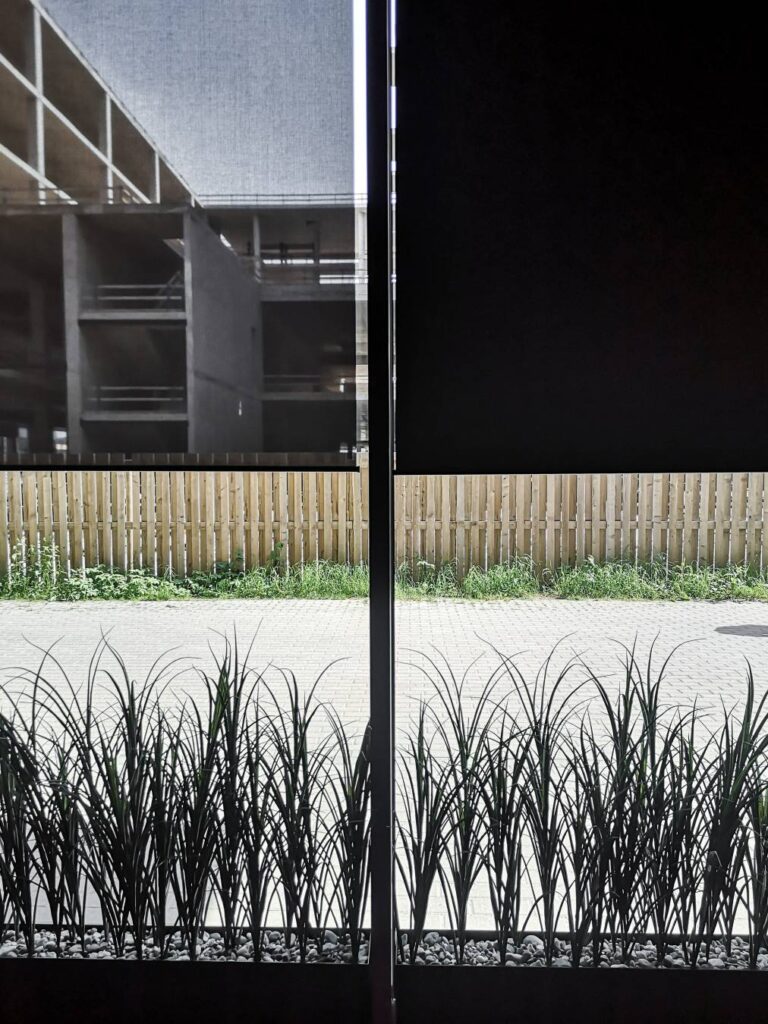
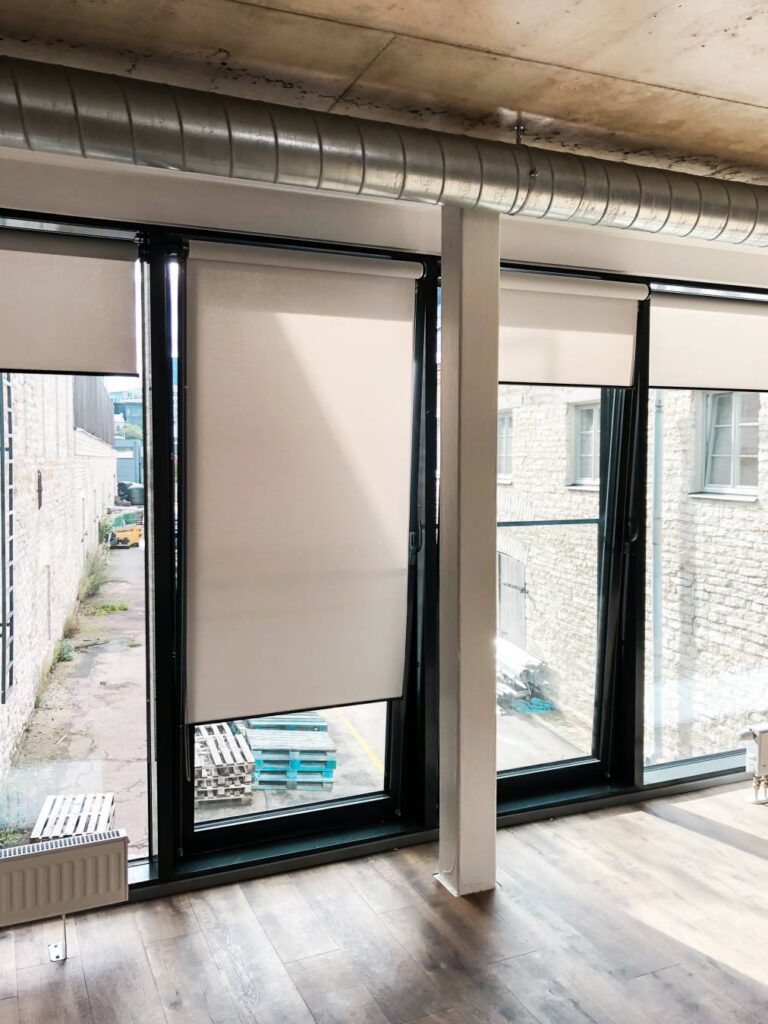
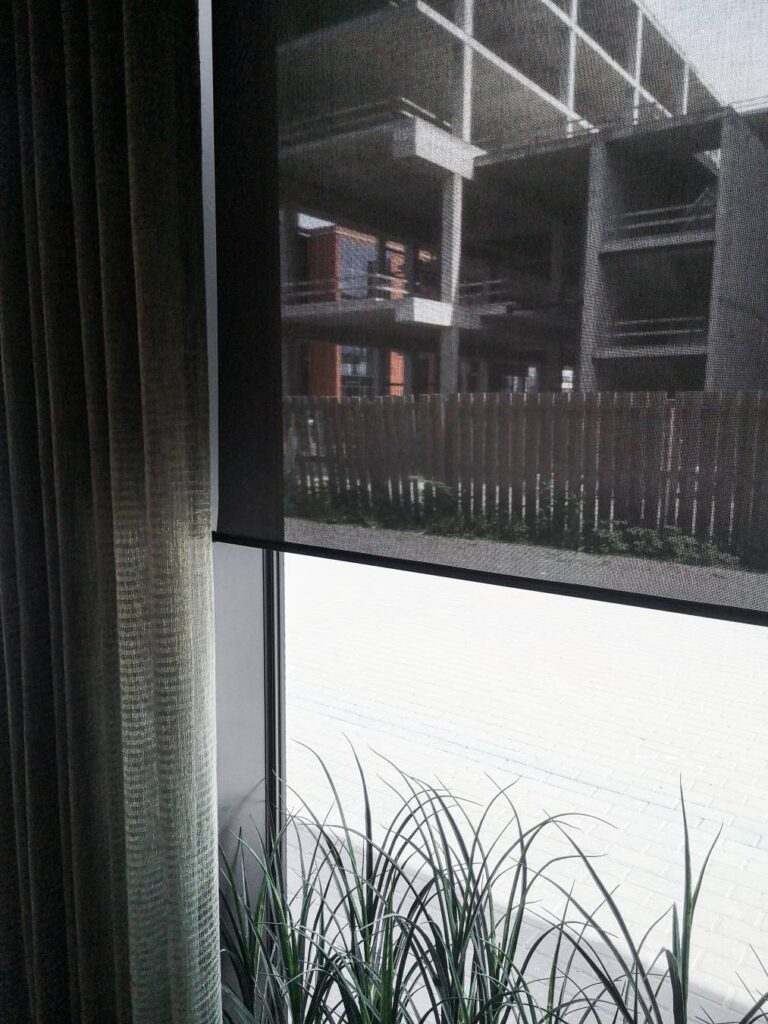
Choosing the right curtains can help you save on energy costs during summer, but more importantly, it contributes to your health and well-being by maintaining the right temperature in the room – especially while you sleep.
A: Aastakäik curtain showroom, designers